
Adults in their 60s, 70s, and beyond build measurable muscle and strength with progressive resistance training. That is not optimism; it is one of the most consistently replicated findings in exercise science, shown across meta-analyses covering thousands of older adults. The machinery for building muscle slows with age, but it never shuts off.
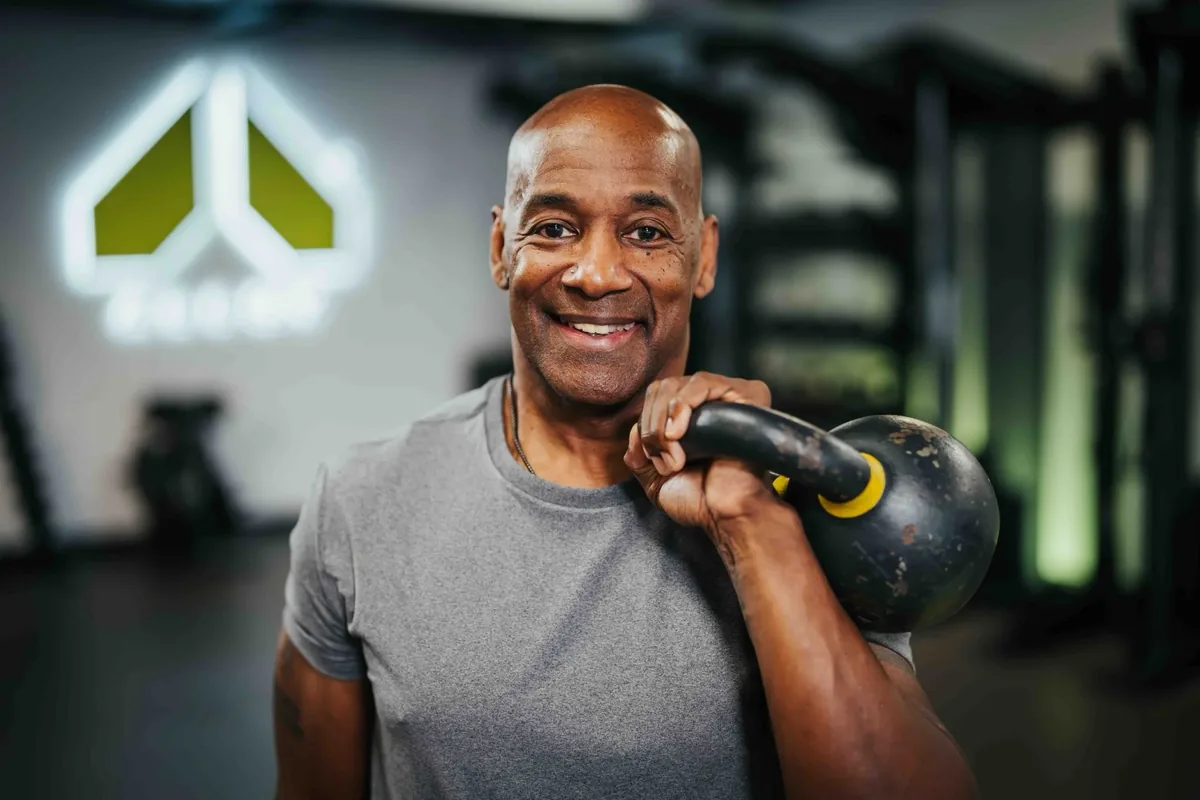
What changes after 60 is not whether training works. It is what good training looks like.
What does the research show?
Reviews pooling dozens of studies on adults over 60 find meaningful gains in strength and lean mass from structured resistance training, typically two to three sessions per week over a few months. Gains show up in people in their 80s and in people who had never trained before. The consistent ingredients: progressive loading, adequate protein, and enough recovery between sessions.
Why do so many people believe otherwise?
Because they compare themselves to their 30-year-old selves and quit, or because they train without progression and see nothing change. Lifting the same light dumbbells for a year maintains; it does not build. The stimulus has to advance as you adapt, which is precisely what a coached program manages and a casual gym habit does not.
What does good training look like after 60?
Compound movements that load the whole body, weights that genuinely challenge you at your level, progression managed in small deliberate steps, and recovery treated as part of the program. At Alloy Personal Training Colorado Springs, that arrives as 55-minute sessions capped at six members, each person on an individual program progressed on a 12-week cycle, with monthly InBody scans proving what changed. Co-owner Logan Brodine spent over a decade building programs for soldiers at Fort Carson; the same principles, scaled correctly, apply to a 68-year-old retiree.
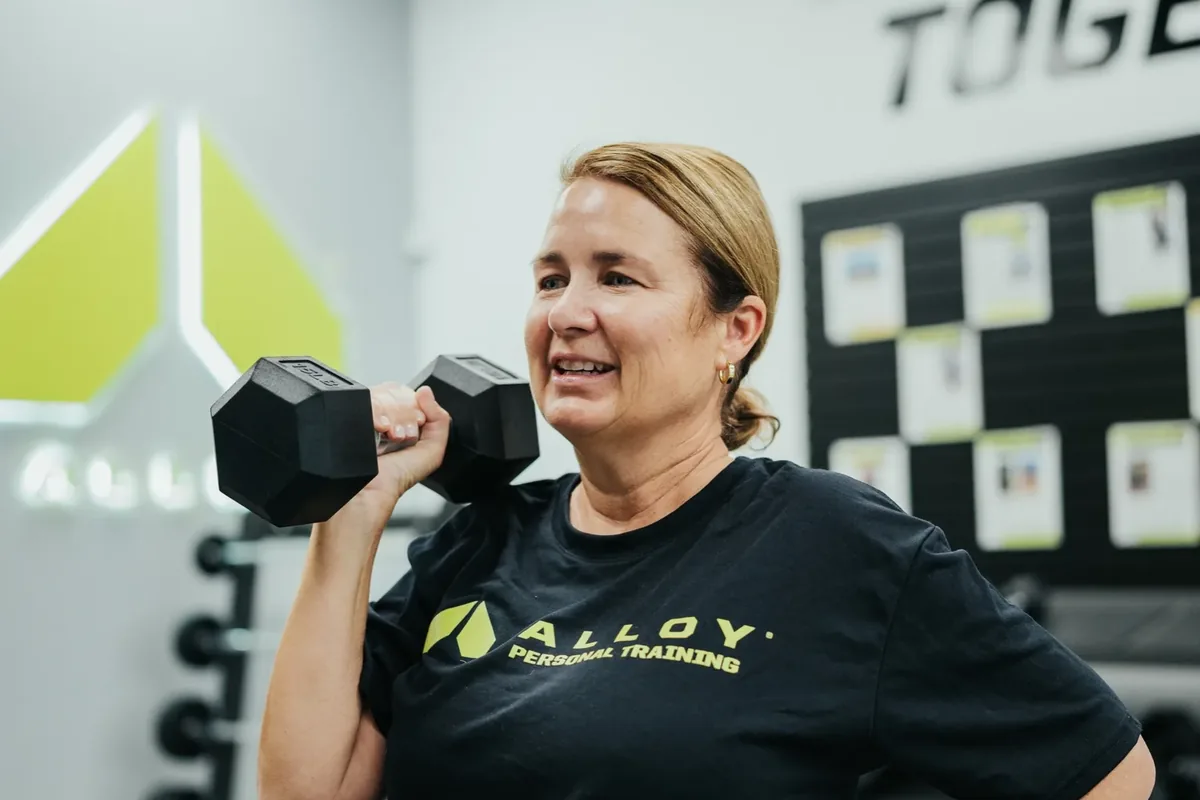
What about protein and recovery?
Both work harder after 60. Older muscle needs a stronger protein signal to grow, which is why coaching here addresses eating alongside training. And recovery days are not lost days; they are when the building happens. A program that respects recovery outperforms a program that merely demands effort.
Frequently asked questions
How fast will I see results? Strength improves within weeks. Measurable muscle change typically shows on body composition scans within two to three months of consistent training.
Is it safe with blood pressure or heart conditions? Usually, with medical clearance and sensible programming. Bring your doctor's guidance to your assessment and it becomes part of the plan.
Do I need supplements? Food first. Most members get further fixing protein at meals than buying anything in a tub.
Test it on your own body
The research is settled; your results are the experiment worth running. Book a Complimentary Starting Point Session at Alloy Personal Training Colorado Springs and start with an honest baseline. If you are past 50 and weighing where to begin, our guide to starting strength training after 50 covers the first steps.